
A postmark is an official marking applied to mail by a postal authority. It usually shows the date and place of handling, and it often cancels the postage stamp so it cannot be reused.
Understanding Postmarks in Stamp Collecting
Postmarks are official markings applied to mail, and they are a major area of interest in stamp collecting and postal history. Collectors study postmarks because they show the date and place where a stamp or cover was processed, and they often reveal more about the journey of the mail than the stamp itself. Some of these can be really interesting, especially for those who are interested in how mail travels through places with political history or during wartime.
There are many different types of postmarks, from circular date stamps and machine cancels to pictorial and commemorative designs. Some postmarks are common and routine, while others are rare and highly sought after by collectors. Understanding postmarks is important for anyone who wants to collect them, look for unusual examples, or preserve postal history for the future.
I’ve tried to cover the main types of postmarks, explain what they mean, and give ideas on how to collect and store them safely. This guide is part of a wider series on How to Start Stamp Collecting.
What Is a Postmark?
A postmark is a marking applied to mail by a postal service. Its main purpose is to show the date and place where the item was processed, and in most cases it also cancels the stamp so it cannot be reused.
Not every cancellation is a postmark, and not every postmark is a cancellation (like the whole frogs and toads thing…). For example, some cancels are designed only to deface the stamp (often called “killers”), while other postmarks include detailed information about location and date but are not applied over the stamp itself.
I found this really interesting article on “Killers” from Linns Stamp News and it was the first time I’d heard of them and then I found one in my collection:
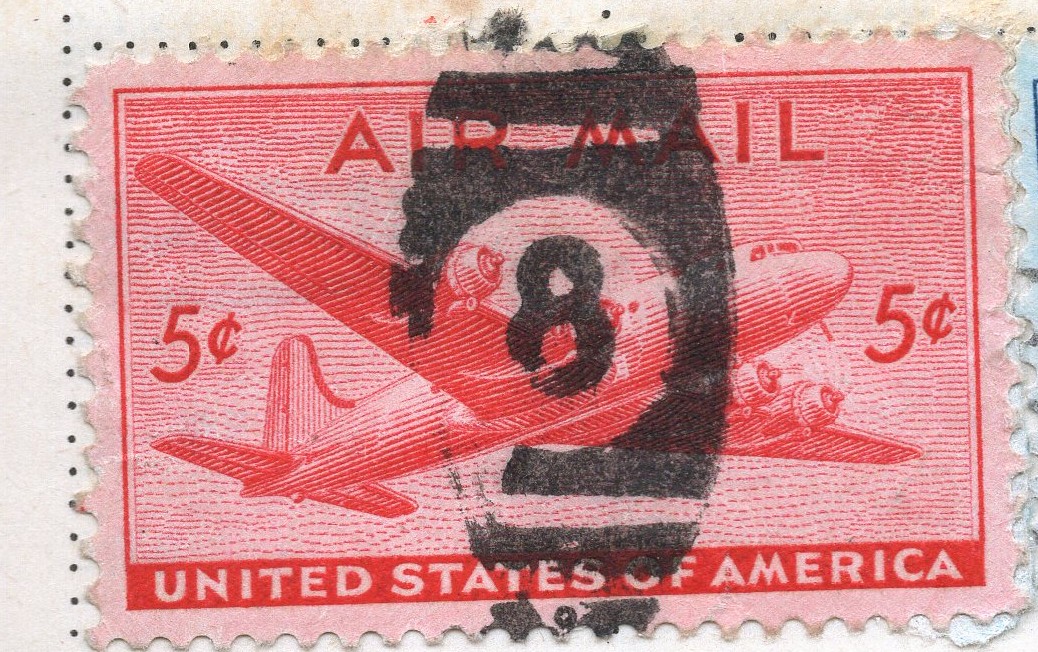
I’ve found that this distinction is important for collectors, because it affects what the postmark tells you. A cancellation shows that a stamp has been used, but a true postmark adds context by linking the stamp or cover to a particular time and place. In many cases, you can even identify the exact post office or mail centre where the item was handled, which is one of the reasons postmarks are such a rich source of postal history.
Postmarks have been applied in many different ways over time – by handstamps, by duplex devices that combined a date stamp and a cancel, and later by machines designed for high-speed processing. Modern systems even include digital and inkjet postmarks. Each stage reflects the needs of the postal service at the time, and that variety is one of the reasons collectors find postmarks so engaging.
There’s this incredible PDF from The British Postmark Society that shows loads of different slogan postmarks of the 1990s. All credit goes to Cyril R H Parsons, Colin G Peachey & George R Pearson. Please go to the BPS website and take a look at all the other amazing publications they have.
A postmark that I remember seeing a lot was the British Heart Foundation! If I can find one on a letter around the flat, I’ll include it here, but if not… read on.
Types of Postmarks
Postmarks come in many, many forms, and they often reflect the technology and needs of the postal service at the time. Some are super simple, while others were specially designed to be eye-catching or to carry extra information. Knowing the main types will help you recognise what you are looking at when you come across a new stamp or cover.
Circular Date Stamps (CDS)
This is one of the most common and recognisable postmarks. A circular date stamp usually shows the name of the post office and the date of mailing. These were (and still are) used worldwide.
Collectors like CDS postmarks because they are often clear and informative. A strong strike can pinpoint exactly when and where a letter entered the postal system.
Duplex Cancels
A duplex cancel is a device that combines two markings: a circular date stamp on one side, and a barred “killer” cancel on the other. The idea was to save time by applying both at once.
These were widely used in the late 19th and early 20th centuries. The date portion provides postal history information, while the killer ensures the stamp cannot be reused.
Machine Cancels
As mail volumes grew, hand-applied postmarks became too slow. Machine cancels, introduced in the late 19th century, allowed thousands of letters to be processed per hour.
A typical machine cancel includes a dated postmark and a series of wavy lines or bars running across the stamp. These are efficient but can be less attractive to collectors than hand-applied marks.
If more modernisation of stamp collection is what interests you, I have an article on Stamp Collecting in the Digital age.
Slogan Cancels
Slogan cancels are postmarks that include a piece of text or an image, often used to promote events, commemorate anniversaries, or share public messages. For example, a slogan might advertise a fair, encourage savings bonds, or mark a centenary.
These are especially popular with thematic collectors, because they connect postal history to wider cultural or political events.
Fancy Cancels
In the 19th century, many U.S. post offices carved their own cancelling devices, often from cork. These produced striking shapes such as stars, crosses, or even intricate designs. Known as “fancy cancels,” they are highly collectible because each one is unique to a particular time and place.
Pictorial Postmarks
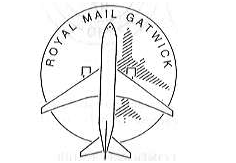
Modern postal administrations often issue pictorial or commemorative postmarks for special events. These can include drawings, logos, or themed designs, and they are frequently used on first day covers.
Although applied by machine, pictorial postmarks often appeal to collectors because of their attractive designs and their link to specific occasions. My personal favourite is the Gatwick one:
Squared Circle Postmarks
A distinctive design popular in Britain in the late 19th and early 20th centuries, squared circle postmarks combine a circular date stamp with squared-off outer lines. They were widely used but eventually phased out, and today they are a specialist collecting area.
Collectors appreciate them because they are visually striking and because they can often be tied to small towns or short-lived offices, making them historically interesting.
Modern Digital and Inkjet Postmarks
Today many postal systems use inkjet or digital postmarks. These are sprayed onto mail as it moves through automated sorting machines. They often look less attractive than older cancels, but they still carry useful information, such as the mail centre where the item was processed.
Collectors sometimes debate whether modern cancels are worth saving, but they are part of postal history and will one day be as interesting as the machine cancels of the past.
Collecting Postmarks
There are many ways to collect postmarks, and part of the appeal is that you can shape a collection around your own interests. Some collectors focus on geography, others on themes, and some on unusual strikes or oddities. However you choose to collect, postmarks add depth and context to a stamp collection, or they can form a collection in their own right.
On Cover vs Off Cover
One of the first decisions is whether to collect stamps with postmarks still attached to the whole envelope (on cover), or just the clipped piece of paper.
- On cover items preserve the full postal history – the address, the route markings, and sometimes even the story of why the letter was sent.
- Off cover items take up less space and make it easier to focus purely on the strike of the postmark itself.
If you want more advice on how to store your stamps (especially any you find with fancy cancels!) Ihave a post on How to Store and Archive Stamps Correctly.
By Place
Many collectors focus on finding postmarks from a particular town, region, or country. Some specialise in small rural offices or short-lived post towns, which can be rare and rewarding to track down.
By Type
You can also build a collection around postmark styles: circular date stamps, squared circles, slogans, machine cancels, or pictorial issues. This is a natural way to explore how postal technology changed over time.
By Theme
Thematic collecting is popular with slogan and pictorial postmarks. For example, a collector interested in aviation might look for postmarks tied to air shows, first flights, or airline anniversaries. Someone interested in medicine might look for charity slogans, such as fundraising campaigns.
By Era or Event
Some collectors specialise in wartime postmarks, censored mail, disaster covers, or mail carried on special flights. These items combine postal history with broader historical events, which makes them especially appealing to researchers as well as stamp collectors.
Where to Find Them
Postmarks turn up in many of the same places as stamps:
- Dealer stocks and fairs often include cover boxes where you can browse.
- Online marketplaces like eBay and HipStamp are good for searching specific towns or types.
- Kiloware and mixtures can be a fun (and affordable) way to hunt for unusual strikes.
Bringing It All Together
Postmarks might seem like small details, but they can completely change how we understand a piece of mail. A clear strike can take a common stamp and turn it into a story of where it travelled, when it was sent, and even what was happening in the world at that moment. That’s why so many collectors pay as much attention to the postmark as they do to the stamp itself.
If you’re starting out, the best thing you can do is look closely at the envelopes and covers already around you. Keep the ones with clear dates, unusual slogans, or interesting places. Over time, you’ll start to notice patterns and themes that you might want to build a collection around.
And if you’re already a stamp collector, adding postmarks into the mix is a way to connect your albums to the broader world of postal history.
