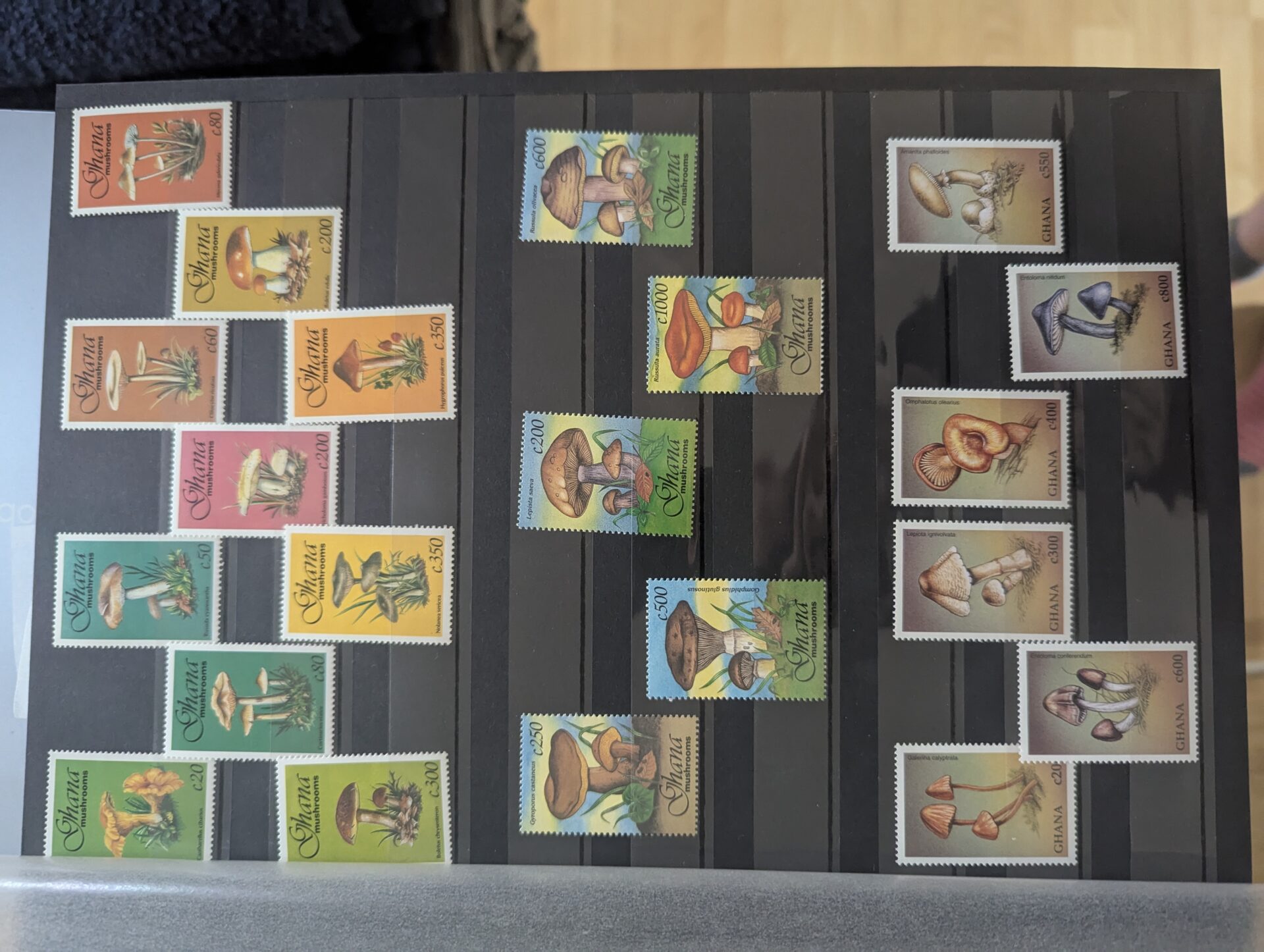
Deciding between hinges and mounts really just comes down to what you’re collecting and how much you want to spend. If you’ve got loads of common used stamps, hinges are usually the best bet because they’re cheap and practical. But if you’re looking after mint stamps, valuable sets, or anything you might want to show off in an exhibition, mounts are the way to go because they keep everything in pristine condition.
Stamp Mounts or Hinges?
Deciding between hinges and mounts is usually one of the first things you have to figure out when you start putting a collection together. It isn’t just about the cost, either it’s about whether you want to be able to sell your stamps later without someone pointing out “hinge remains” on the back.
I’ve always used stamp mounts. I find hinges a bit of a nightmare to deal with and I really don’t like the idea of sticking anything to the back of a stamp anyway. I know some people swear by them, but every time I’ve dealt with an old collection that used hinges, I’ve found stamps that have either just fallen off or had the back ripped because the hinge didn’t peel away like it was supposed to.
Why I prefer mounts (and black backgrounds)
I always go for mounts with a black background. For me, it’s all about the look. I collect a lot of colourful CTO mushroom stamps and the black background just makes those designs stand out so much more than a clear mount or a plain white page. It frames the stamp properly and keeps it safe from fingerprints or dust, which is a bonus.
If you have to use hinges…
I don’t personally use them, but if you’re working on a budget or just prefer the traditional way of doing things, you probably want to stick to the brands that people actually trust.
- Lighthouse (Leuchtturm) Fasto hinges are usually the go-to for most people because they’re supposed to be actually peelable.
- Davo and H.E. Harris are the other two you see mentioned a lot.
If you’re using hinges on anything modern or mint, just be careful. You can easily knock 50% off the value of a stamp the second you lick a hinge and stick it on the back.
My setup: cheap and cheerful stockbooks
I don’t bother with expensive, specialised albums. I use stockbooks, and I usually just look for the biggest one I can find at the lowest price. As long as I like the colour of the cover, I’m happy.
I’ve heard people say you get what you pay for, but honestly, I’ve never had an issue with the cheaper books. They keep the stamps flat and they do the job. To be fair, stockbooks are so easy to use because the strips are already built-in, so you don’t even need hinges or mounts if you’re just starting out. Maybe I’d change my mind if I tried a really expensive album, but for now, the budget ones work perfectly fine for me.
Don’t use tweezers!
One thing that often gets overlooked is how you actually handle the stamps. If you’re going to use mounts, you need a decent pair of stamp tongs. Don’t just grab a pair of household tweezers they usually have serrated edges that will chew up the perforations or thin the paper. I’d recommend getting some spade-end tong, they’re much flatter and make it a lot easier to slide a stamp into a mount without fumbling.
Getting the size right
If you go for mounts, you’ll find they come in strips or pre-cut sizes. A common mistake is getting a mount that’s exactly the same size as the stamp. You actually want about 3mm to 5mm of “breathing room” around the edges. This stops the perforations from getting caught or bent. Most mounts are made of polystyrene (like the ones from Showgard), which is archival-safe. Just avoid anything with PVC, as that can actually damage the ink over a long period of time.
The bottom line
- Use hinges if you’re dealing with common, used stamps and you aren’t worried about the gum on the back.
- Use mounts for everything else especially anything mint or anything that you think looks great and want to protect.
