What Is a First Day Cover and Why Is It Important?
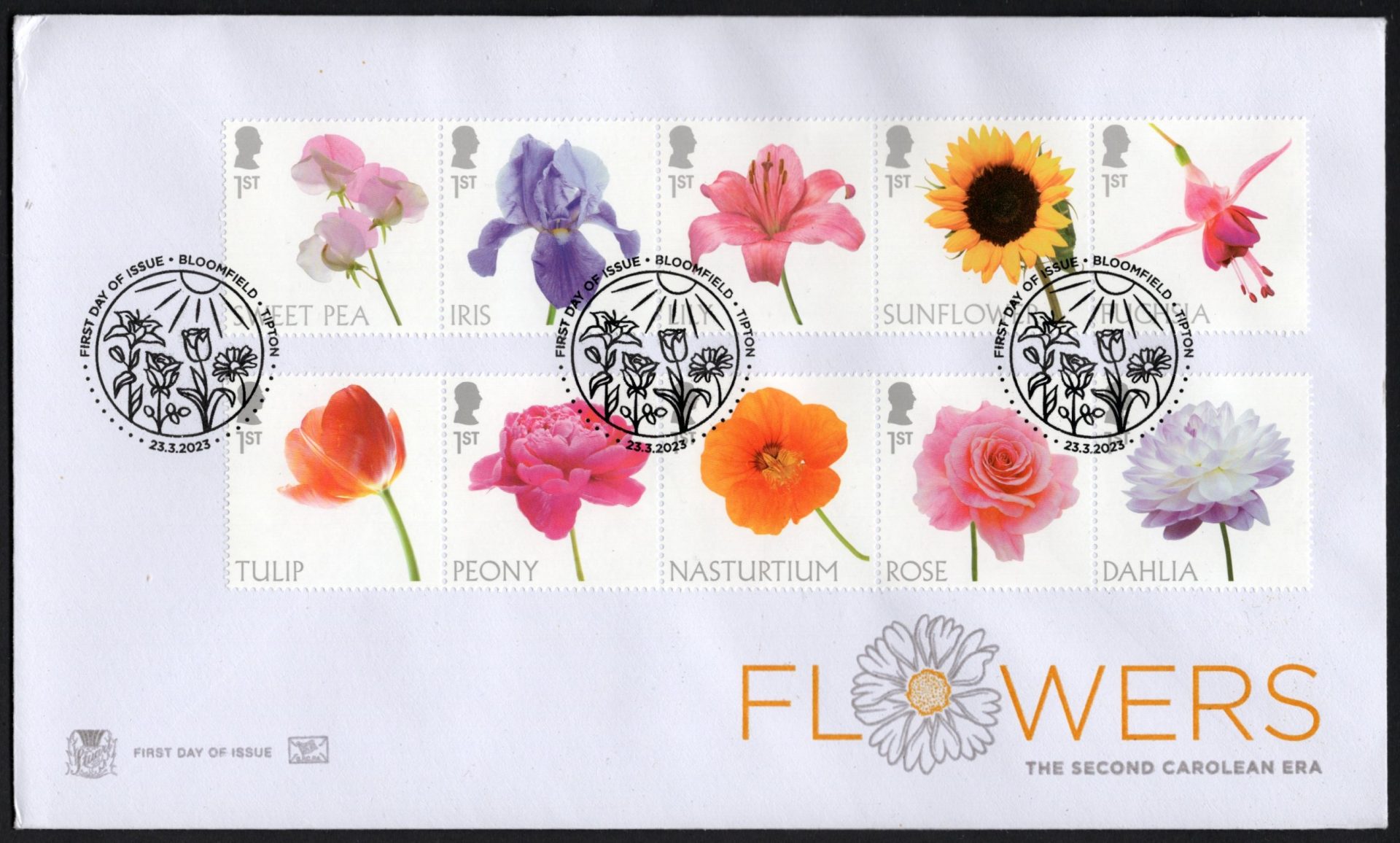
A first day cover (FDC) is an envelope, postcard, or similar item that features a newly issued postage stamp, cancelled on the first day issue, which is the official date the stamp is released by a postal authority. What sets it apart from regular mail is the first day cancellation, a postmark showing the release date and often the location of issue. These covers typically also include a printed or illustrated design, called a cachet, that reflects the theme of the stamp.
This combination of stamp, cancellation mark, and design makes the first day cover a key item in philately, the study and collection of stamps.
The Importance of First Day Covers
They Document Postal and Cultural History
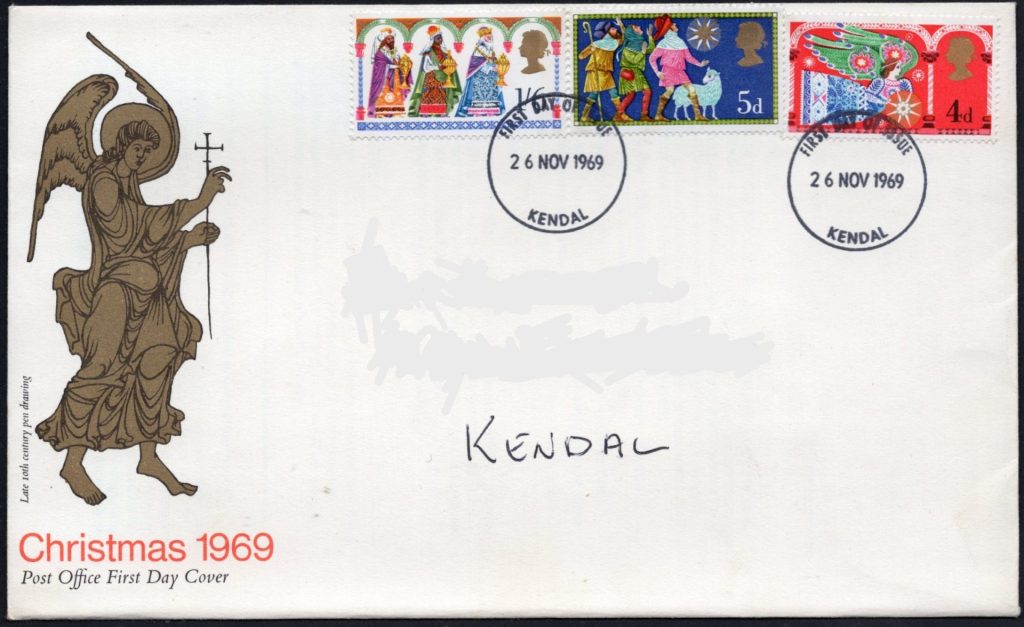
A first day cover provides a permanent record of when and where a commemorative stamp or limited edition stamp was released. The cancellation mark on the cover confirms the stamp release date and sometimes ties the stamp to a significant event, location, or individual. These details make FDCs important historical documents within postal history.
They Add Depth to Stamp Collections
For many people involved in stamp collecting, a philatelic first day cover adds meaningful context to a stamp. Instead of collecting only the stamp itself, collectors preserve the exact moment of its public release. Some collectors specialise in stamp collecting first day covers, organizing them by theme, country, or time period.
Over time, certain first day stamp issues gain value due to rarity, limited print runs, or unique features such as special cancellations or signatures. These covers are sometimes classified alongside rare stamps, especially when in excellent condition or part of a significant release.

They Reflect Design and Artistic Trends
A cachet adds a visual element that pairs with the stamp’s subject. In the UK, they might come from Royal Mail, independent designers or specialist cover producers. Some are traditional, others more stylised or abstract. The variety makes them interesting to collect in their own right.
These designs often pick up on what was happening at the time of issue, whether that’s a national celebration, an anniversary, or a shift in design trends. If you’re interested in illustration or printed ephemera, cachets offer a way to see how those styles show up in postal history.
They Offer Educational Opportunities
FDCs tend to lead you somewhere. You might pick one up for the design and end up reading about a historical event or a landmark you’ve never come across before. They’re a simple way to learn something new without setting out to do so.
This is one of the reasons FDCs are a popular starting point for new collectors. They introduce a wide range of topics, from science to literature, and give you a reason to explore further. Whether you’re building a collection or just following your curiosity, they offer plenty to dig into.
They Support a Global Collecting Community
The stamp collectors’ community includes individuals and organisations who focus on stamp collecting first day covers. These covers are regularly showcased in exhibitions, traded among collectors, and discussed in forums, publications, and educational programs. For many, FDCs serve as a shared point of interest that connects people across generations and locations.
They are Celebrated!
Sometimes, a stamp doesn’t just come out – it arrives! In the UK, Royal Mail occasionally holds launch events to mark the first day of issue, and for collectors, these moments are part of the appeal. The ceremonies often take place somewhere relevant to the stamp’s subject: a coastal town for a maritime theme, a birthplace for a notable figure, a museum or gallery if the stamp’s about art. The postmark from that place, on that exact day, ties the stamp to a real moment in time.
These events might include Royal Mail reps, local officials, designers, and a handful of collectors lucky enough to be nearby. Sometimes there are signings, sometimes special pictorial handstamps, always something a little unique. Even if you’re not attending, collectors can usually submit their own covers in advance to get them postmarked at the launch location. It’s not essential to do all this, of course but it’s the kind of detail that turns a nice stamp into something you remember.
Special & Pictorial Postmarks
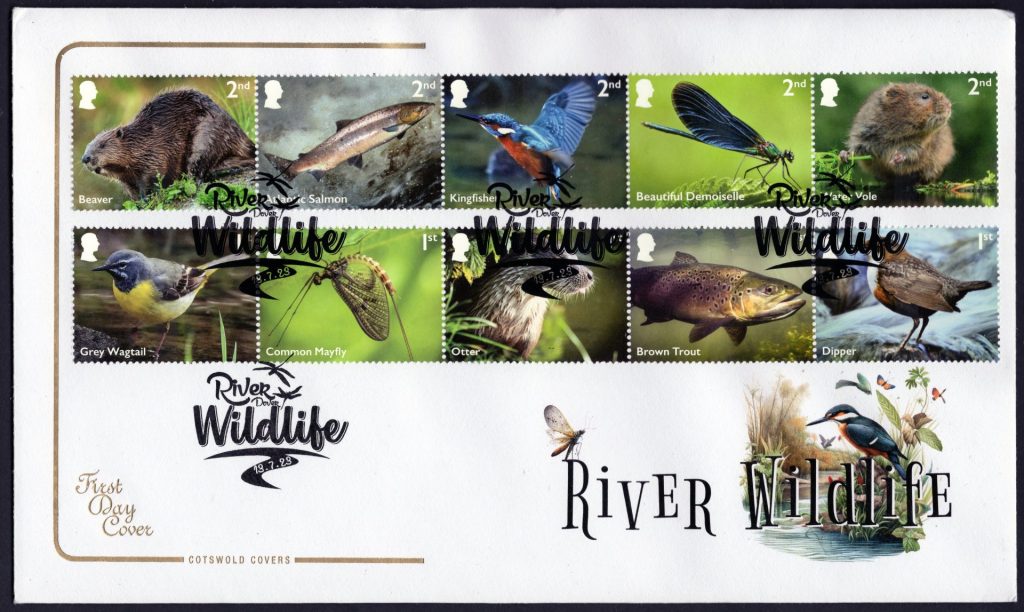
Not all postmarks are created equal. In the UK, collectors can request special handstamps, also known as pictorial postmarks, which are designed to match the theme of the stamp. These aren’t your standard wavy lines and dates. They’re often little artworks in themselves, featuring everything from birds and buildings to crowns, flowers and abstract shapes. Royal Mail offers them for a limited window, and they can only be applied at specific locations or through designated services. For collectors, it adds another layer of intention. It’s a way to align the stamp, the story and the style, all in one envelope.
Collectors outside the UK can submit items for special handstamp cancellations up to 28 days after the stamp is released. For those in the UK, Royal Mail generally expects items to be submitted on or before the issue date. There may be a short grace period, but it isn’t guaranteed.
Collecting First Day Covers
There’s no one right way to collect first day covers. Some collectors focus on building sets that reflect a specific theme, like wildlife, royal history or science. Others go by era, country or even designer. But among UK collectors, a few strategies come up again and again.
One is collecting full stamp sets on a single cover, rather than just a single stamp. This gives a more complete picture of the issue and can sometimes add value. Another approach is to look for covers cancelled in locations that relate to the stamp’s subject. For example, a stamp featuring a castle postmarked in the nearest town, or a music legend commemorated with a cancellation from their hometown.
Presentation matters too. Many collectors aim for covers with neat addressing, clear postmarks and no marks or smudges. Some even avoid handwritten addresses altogether, preferring typed or labelled ones for a cleaner look. It’s not about following strict rules, but about showing care. That kind of attention makes each cover feel curated, rather than simply collected.
First Day Covers Around the World
Although this guide focuses on the UK, first day covers are produced by postal authorities around the world. The format is similar: an envelope or card with the new stamp, cancelled on its official release date. But each country has its own style and approach.
In the United States, for example, the USPS issues official FDCs with detailed pictorial cancellations and regularly collaborates with private cachet designers. Collectors can also find independently produced covers through companies like ArtCraft and the Mystic Stamp Company, which offer both modern and vintage American covers.
In Australia, Australia Post sells high-quality first day covers through its online shop, often with colourful, full-cover designs that reflect local wildlife, history or sport. Canada does something similar. Canada Post includes bilingual designs and often incorporates gold foil or embossing for commemorative issues.
In some countries, it’s also common for local stamp clubs or collectors to design and distribute their own cachets. You’ll see this particularly in parts of Europe, such as Germany and Switzerland, where regional FDCs sometimes feature unique artwork and postmarks that differ from the national issue.
What varies most is the design language. From minimal Scandinavian layouts to bright, detailed covers from Southeast Asia, you’ll notice differences in printing techniques, colour choices and even the paper stock. For collectors interested in international themes or just curious about how stamps are presented elsewhere, building a global FDC collection adds variety and depth.
Here are some links to check out:
https://www.bfdc.co.uk/
British First Day Covers (BFDC) offers a wide range of UK FDCs, including rare and limited editions. The site also provides background information and resources for collectors.
https://www.gbfdc.co.uk/
The Great Britain First Day Cover Collectors’ Association promotes FDC collecting in the UK. The site includes collector resources, news, and event information.
https://shop.royalmail.com/subscriptions-and-gifts/first-day-covers
Royal Mail’s official shop where you can buy current British first day covers, complete with themed postmarks and professional cachets.
https://first-day-cover.com/
Cotswold and Stuart Covers sell high-quality British first day covers with traditional designs, including long-running collector series.
https://www.stampsforsale.co.uk/catalogue/first-day-covers
BB Stamps offers a catalogue of UK first day covers from the 1950s onward, organized by theme and year for easy browsing.
https://www.collectgbstamps.co.uk/explore/firstdaycovers/
Collect GB Stamps provides a visual and chronological archive of British first day covers, great for reference and tracking your collection.
