Mushrooms Meet Royal Mail
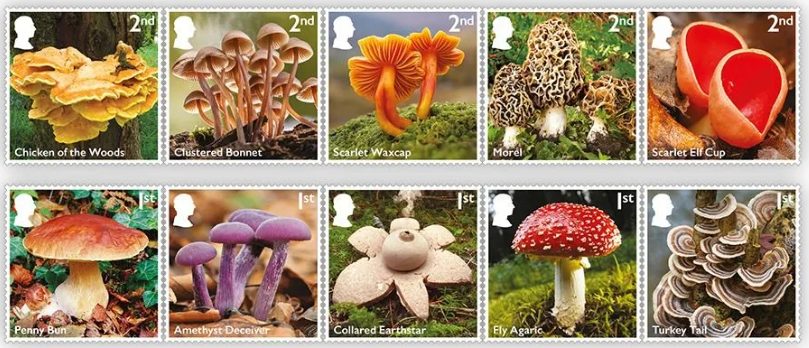
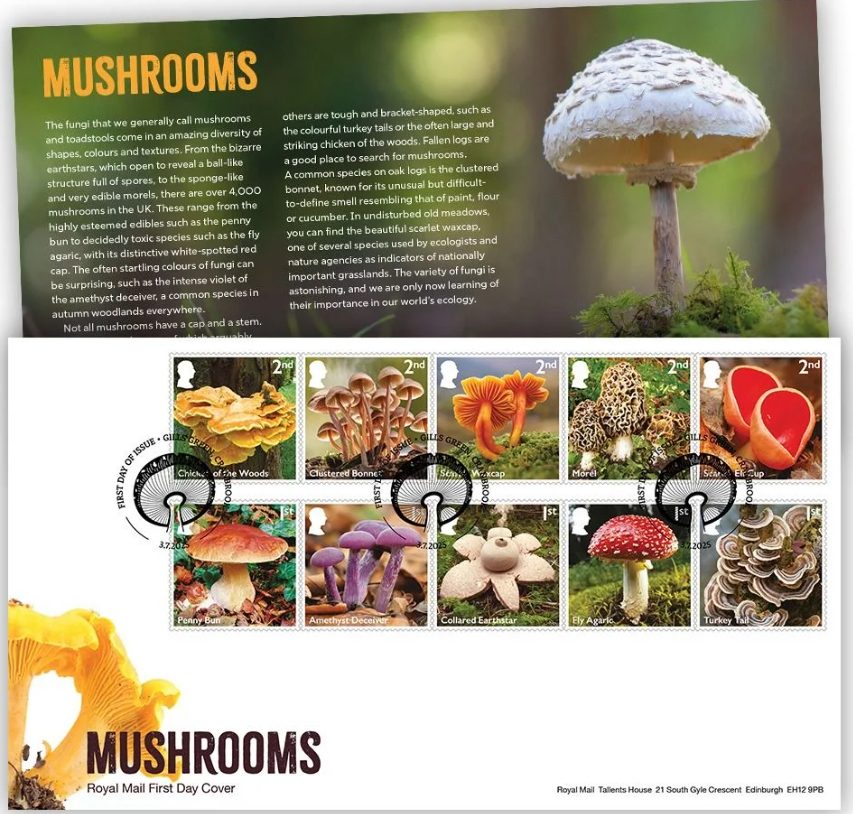
Royal Mail has announced a brand new stamp set, and it just so happens to feature one of my favourite things in the world: mushrooms. The Mushrooms special issue, releasing on 3 July 2025, brings a gorgeous selection of fungi to the spotlight and onto the nation’s post.
The full set will be available as a presentation pack, priced at £11.50, along with a miniature sheet, first day covers and stamp cards for collectors. You can pre-order directly from the Royal Mail shop, with general release set for 3 July 2025.
This set feels like a dream come true for me. My Instagram feed is currently entirely mushroom stamps (no regrets), and I’ve spent the past year growing a little collection of my own with beautiful issues from Afghanistan, Vietnam, Cambodia and Burkina Faso. I’ve even put together a couple of videos showing off my favourites, because sometimes a still photo just doesn’t do them justice.
So to see Royal Mail dedicating a full issue to UK mushrooms? I couldn’t be more excited. Whether you’re into fungi, stamp art, or just love nature on paper, this is a beautiful set worth talking about and collecting.
The Royal Mail 2025 Mushrooms issue includes ten first class stamps, each showing a different species of fungi found in the UK. The illustrations are soft and detailed, capturing the quiet beauty of these often-overlooked organisms.
Here’s what’s included in the 2025 Mushroom set:
- Fly Agaric (Amanita muscaria)
The classic red and white toadstool, instantly recognisable and often seen in fairy tale illustrations. - Shaggy Inkcap (Coprinus comatus)
A tall, elegant mushroom known for turning into black ink as it matures. - Amethyst Deceiver (Laccaria amethystina)
A small, purple mushroom that can fade in colour, making it harder to identify in the wild. - Jelly Ear (Auricularia auricula-judae)
A soft, ear-shaped fungus often found growing on elder trees. - Candle Snuff Fungus (Xylaria hypoxylon)
Thin and upright with pale tips that look a bit like snuffed-out candles. - Scarlet Elf Cup (Sarcoscypha austriaca)
A bright red cup-shaped fungus that often appears in winter. - Stinkhorn (Phallus impudicus)
Known for its strong smell and distinctive shape. Attracts flies more than people. - Cuckoo Pint (Arum maculatum)
A curious inclusion, as it’s technically a plant rather than a mushroom, but it has a rich history in British woodlands. - Bay Bolete (Imleria badia)
An edible mushroom with a smooth brown cap, often found beneath conifers. - Verdigris Roundhead (Stropharia aeruginosa)
A glossy greenish mushroom that’s not especially common and stands out in the undergrowth.
The artwork is by Emily Robertson, whose botanical style gives each species a natural and carefully observed feel. They look like real mushrooms you might come across on a damp woodland walk, rather than something overly polished or stylised. Which actually isn’t my favourite, but I still love these.
Why Mushrooms Matter in Philately
Mushrooms have been my collecting obsession for months. I talk about them constantly, I post about them every week, and most of my collection these days is mushroom-themed. So this Royal Mail issue isn’t just exciting, it feels personal.
Collecting by theme, rather than by country or era, is known as topical collecting. When the theme is fungi, it’s called mycophilately. It’s a small corner of the hobby, but one with global reach. Countries like Laos, Cambodia, Poland and Switzerland have all released mushroom stamps, with some of the most eye-catching designs coming from the 1980s.
The variety is what drew me in. Some stamps show delicate botanical illustrations, others have bold colours or striking shapes. You can spot rare species, familiar favourites, and even a few odd choices that reflect how different cultures see fungi.
This new set from Royal Mail is the first time we’ve had a mushroom-themed issue focused on UK species. (There have been stamp booklets and covers that featured mushrooms before, but not as standalone stamp designs.) It’s a welcome addition to any mycophilatelic collection and a lovely way to celebrate the fungi growing in our own woodlands and parks.
My Favourite Mushrooms on Stamps
The Royal Mail set is exciting, but mushroom stamps have been a focus of mine for a while now. Over the past year, I’ve built up a decent collection, and a few countries have become particular favourites.
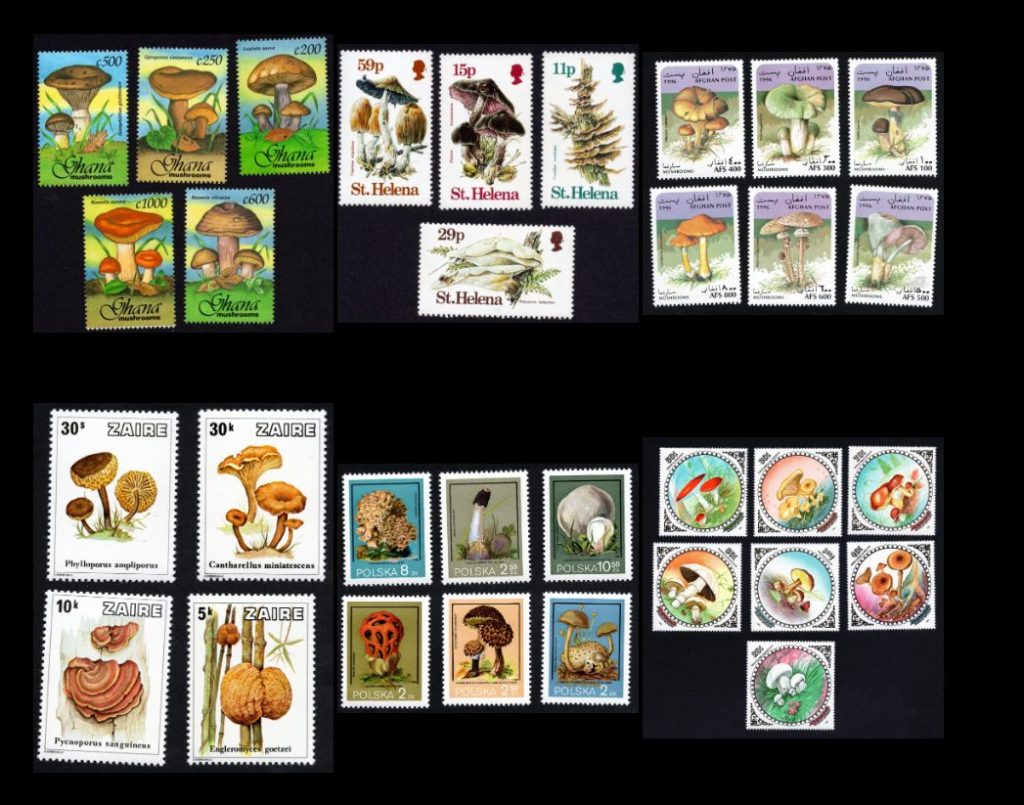
Ghana is right up there. The colours are bold, the layouts are clean, and the designs are really striking. They’ve got a graphic quality that makes them stand out straight away.
I keep coming back to Cambodia, too especially the stamps from the 1980s. They’re a bit more stylised and the colours can be intense, but I really like the way the mushrooms are illustrated. They have a lot of character.
Mongolia has some great ones as well. The designs are a bit more stripped back, with pale backgrounds that make the fungi the focus. I didn’t expect to like them as much as I do, but they’ve become some of my favourites.
And then there’s Nicaragua, which has produced some softer, more natural-looking stamps. They feel a bit different from the others but still fit right in with the collection.
You can see examples from all of these countries in this short video, where I flick through some of my current favourites.
Where to Get the Royal Mail Mushroom Stamps
The Royal Mail Mushroom stamps will be released on 3 July 2025, and there are a few ways you can get your hands on them.
The easiest option is to order directly from the Royal Mail shop, where you’ll find:
- The full set of ten first class stamps
- A presentation pack (£11.50 at the time of writing)
- A miniature sheet version
- First day covers and stamp cards if you’re looking for collector extras
If you prefer to buy in person, some larger Post Office branches will stock the stamps on release day, though availability can vary. You can also keep an eye on online marketplaces like eBay, especially if you’re after singles, used copies, or cancelled versions later on.
For collectors outside the UK, the Royal Mail site offers international delivery, or you can try your usual stamp dealers once the issue goes live.
