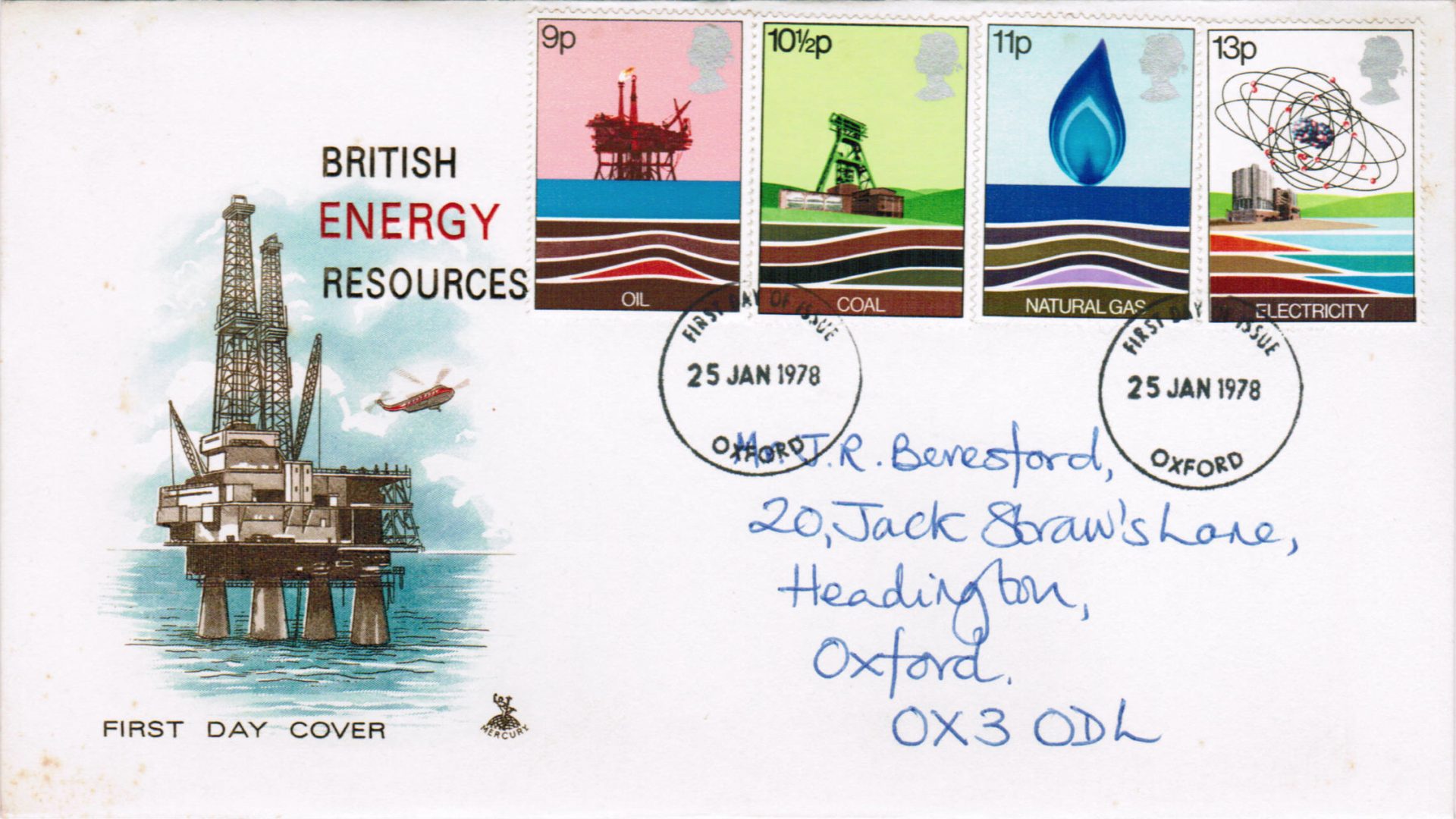
If you’ve stumbled across a bundle of First Day Covers (FDCs) and are wondering if they’re valuable, you’re not alone. It’s one of the most common questions collectors (and people who’ve inherited collections) ask.
The short answer? Some First Day Covers can be valuable, but most are modestly priced. That doesn’t mean they aren’t worth keeping or collecting. In fact, for many of us collectors, the real value lies in the stories and history they represent.
What Affects the Value of First Day Covers?
There isn’t a single rule that decides the price of an FDC. Instead, a handful of factors come together to influence value.
Older covers are often scarcer, especially those from before the 1960s when fewer people saved them. The artwork on the envelope, known as the cachet, also makes a big difference. Hand-painted cachets or early limited editions from producers like Benham or Buckingham Covers tend to attract more attention than mass-produced designs.
The theme matters too. Covers linked to big national events, such as the 1966 World Cup or royal weddings, usually get collectors excited. Condition is another key factor – crisp envelopes with clean postmarks and no damage will always be more desirable than tatty ones. Signatures can add a premium, though it depends very much on who has signed the cover. And every so often, you’ll see an unusual postmark, a misprint, or some other quirky feature that gives a cover extra appeal.
Other elements that can influence value include:
Unusual features – Misprints or rare cancellations can sometimes push a cover into the “collectible” category.
Theme popularity – Covers tied to big events (think the 1966 World Cup or royal occasions) tend to attract more interest.
Condition – Crisp envelopes, clean postmarks, and no creases or stains are always preferred.
Signatures – An autograph from a famous person, artist, or designer can make a cover stand out.
Cachets: Hand-Painted vs Mass-Produced
One of the biggest influences on value is the cachet, the design that’s printed or painted on the envelope. Hand-painted cachets are usually unique, and collectors love them because they’re proper one-offs. Limited edition printed cachets, like early Benham “Silk” covers, can also be worth more than average.
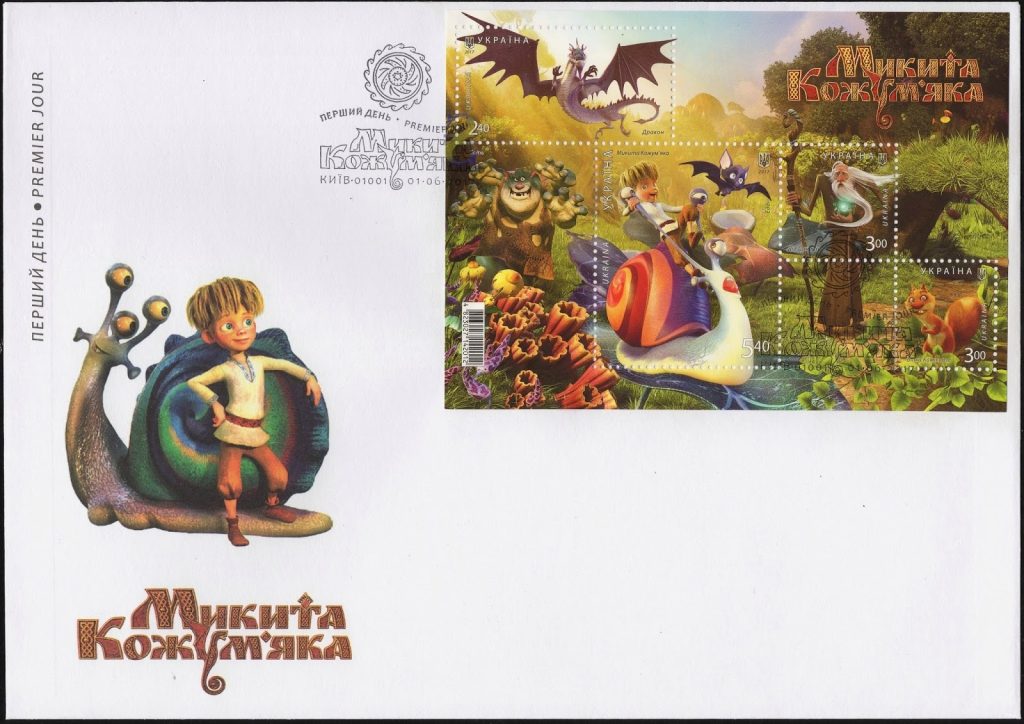
Mass-produced cachets, especially those churned out during the 1970s to 1990s, don’t usually hold much value because thousands were made and saved. And blank covers, those with nothing but the stamp and postmark, are generally considered the least collectible of all.
Are Most First Day Covers Valuable?
Here’s the reality: most FDCs don’t sell for huge sums. They were produced in large numbers and many were carefully stored, so supply outweighs demand.
Typical values break down like this:
- Modern UK FDCs – often sell for between £1 and £5 each.
- 1970s–1990s issues – widely available and usually low-value unless they’re signed or have something unusual.
- Rare or signed covers – the exceptions that can fetch £50, £100 or more.
On some auction sites, some First Day Covers go for over £200! I had a look through the Grosvenor Auctions site and was amazed. There we also some US covers going for insane amounts (over $1,000) on the Stamp Auction Network.
So while the majority aren’t especially valuable, they remain a fun, affordable, and highly collectible way to explore postal history.

Examples of Valuable First Day Covers
Not every cover is destined for the bargain bin. Some areas do consistently attract higher prices.
The 1966 World Cup covers, particularly those connected with Wembley, are always popular with collectors. Early Benham “Silk” covers, especially signed examples, can also fetch more than average. Buckingham Covers are known for producing smaller runs, often with autographs, and these can be sought after. Finally, covers signed by well-known designers, artists, or famous personalities connected with the event often sell for more than their unsigned counterparts.
Common Myths About FDC Value
There’s a lot of half-truths and wishful thinking about First Day Covers, so let’s bust a few myths.
One of the biggest misconceptions is that old always means valuable. Sadly, that isn’t the case. Many covers from the 1970s and 1980s are now decades old but are still only worth pennies because so many were saved.
Another common belief is that blank covers are rare. In truth, they’re usually the least collectible of all, because they lack the artwork that gives a cover its appeal.
It’s also not true that every signed cover is valuable. Some signatures add real value, while others do very little, it depends entirely on who signed it and how desirable their autograph is, honestly.
Don’t put too much stock in catalogue values. They can be useful as a guide, but the best measure of worth is what covers actually sell for on eBay or at auction.
Where to Sell First Day Covers
If you’re curious about selling your collection, there are several routes you can take. Many collectors turn to eBay first, since it’s easy to list covers and see what similar items have sold for. Checking completed listings is a great way to gauge real-world prices.
Specialist dealers and auction houses are another option, especially if you have a large collection or suspect you own rarer items. Local stamp clubs and fairs can also be useful, offering a chance to meet collectors directly and get advice.
In short:
- Online auctions (eBay and similar sites)
- Specialist dealers (look for “First Day Cover dealers UK” or your local equivalent, or visit Cotswold & Stuart First Day Covers )
- Stamp clubs and fairs
- Auction houses (best for rare or signed pieces)
Collecting vs Investing
It’s tempting to see FDCs only in terms of money, but that misses half the fun. Most people don’t collect First Day Covers as an investment. They collect them for the history, the designs, and the sense of holding a little piece of the past.
The truth is that the bulk of covers only fetch a couple of pounds each. But every so often, something unusual crops up that surprises everyone. And even if you never find that hidden gem, there’s still plenty of joy in researching, organising, and sharing your collection.
FAQs About First Day Cover Value
Are First Day Covers worth anything in the UK?
Yes, they can be. Most modern UK FDCs are only worth a pound or two, but rare or signed ones can be worth much more.
Which First Day Covers are valuable?
Hand-painted cachets, early Benham or Buckingham covers, signed editions, and event covers such as the 1966 World Cup are the ones to watch.
How much are First Day Covers from the 1970s worth?
Usually very little, because they were mass-produced. Unless there’s something unusual about them, you’re looking at pennies to a couple of pounds.
Where’s the best place to sell First Day Covers?
Many people start online with eBay, but you can also use specialist auctions for rarer pieces.
Should I keep or sell my collection?
That depends on what you want. If you enjoy the history and design, keep them and make a hobby of it. If you’re only interested in the money, check real-world prices first so you know what to expect.
Where can I buy FDCs?
Go through dealers like Stuart’s First Day Covers 🙂
Next Steps
Curious to learn more about what makes a First Day Cover special? Start with our guide: What is a First Day Cover (FDC)?
And if you want to dig deeper into another aspect of postal history, check out our Complete Guide to Postmarks. Postmarks often play a big part in determining whether a cover is worth a little, or a lot.
If you enjoy first day covers then you probably will be interested in thematic stamp collecting as well!
